Tuesday, September 24, 2024

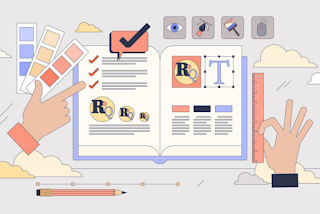
Creating Eye-Catching Flyers for Your Small Business

Every chance to stand out and make an impact can significantly influence a small business's growth and success. Even small visibility and customer engagement gains can increase sales and market presence.


One of the most cost-effective ways to achieve this is through eye-catching flyers. Flyers come in a wide variety of forms, from glossy circulars to color photocopied flyers. Understanding the power of a well-designed flyer to grab attention and drive engagement is crucial. 


The Importance of Visual Appeal


Creating an eye-catching flyer starts with its visual appeal.


Humans are naturally drawn to visually stimulating content, and a well-designed flyer can capture attention at first glance. Here are some key aspects of visual design that can make a flyer stand out from the crowd.


Use High-Quality Images


High-quality images are essential for creating a visually appealing flyer.


Investing in professional photography or high-resolution stock images can significantly enhance the visual appeal. After all, if your flyers are visually appealing and catch the eye of your target audience, potential customers will be eager to explore and learn about your business offerings!


Choose Eye-Catching Colors


Colors play a vital role in attracting attention.


Bright, cold colors can make a flyer stand out, but it’s crucial to maintain a good balance and ensure the colors align with your brand’s identity. Complementary color schemes work well to create a visually appealing design. 


Utilize Contrast


Contrast helps essential elements of the flyer stand out.


Using contrasting colors for the background and text can make the information more readable and engaging. For example, dark text on a light background or vice versa can create a striking effect that helps your content stand out!


Incorporate Some White Space


White space, or negative space, is the area of the design left unmarked.


Effective use of white space can make the flyer look more organized and clean, helping to avoid visual clutter and highlight key messages. 


Craft Concise Messaging


An eye-catching flyer isn't just about visual appeal; its message is just as important.


Here are some tips on creating compelling and concise messaging that enhances the effectiveness of a flyer.


Focus on a Clear Headline


The headline is the very first thing people notice on a flyer.


A clear, compelling headline can draw attention and entice potential customers to read further. Keep it concise, and make sure it conveys the main message.


Highlight Key Information


Include only the most important details to avoid overwhelming the reader.


Essential information typically includes the promotion's topic, the customer's benefits, and relevant dates, locations, or prices. Use larger fonts for headlines and contrasting colors to draw attention to important information.


Use Bullet Points


Bullet points are an excellent way to present information clearly and concisely!


They break down complex information into easy-to-read snippets, making the flyer more user-friendly.


Incorporate a Strong Call to Action (CTA)


A strong CTA directs the reader on what to do next.


Whether you want them to visit a website, call for more information, or attend an event, a clear and compelling CTA can drive engagement and conversions.


Putting It All Together: Your Guide to a Successful Flyer Campaign


Creating eye-catching flyers is both an art and a science. By focusing on visual appeal, concise messaging, and strategic distribution, small businesses can create effective flyers that attract attention and drive customer engagement.


For expert help with all printing and marketing needs, contact us today!

Monday, September 23, 2024

Maximize Holiday Sales: Effective Direct Mail Marketing Strategies

The holiday season is a critical time for businesses to connect with customers, and direct mail remains one of the most effective ways to cut through the digital noise. With the right strategies, your holiday direct mail campaigns can drive significant engagement, boost sales, and build lasting customer loyalty. Here’s how to make the most of your holiday direct mail marketing.


Boost Your Holiday Marketing with Direct Mail


Provide Personalized Gift Suggestions


The holidays are hectic for your customers, who are often overwhelmed with finding the perfect gifts.


By offering personalized gift suggestions in your direct mail campaigns, you can make your customers' shopping experience easier and more enjoyable. Consider curating bundles of your products that make ideal gifts. Not only are you simplifying the decision-making process for your customers, but you are also creating an upsell opportunity. Ensure your mail pieces include clear calls to action, such as “Shop Now” or “Visit Us Online,” with direct links to your website’s product pages.


Tap into Nostalgia for Emotional Impact


The holiday season is a time when emotions run high, and nostalgia plays a significant role in many customers’ holiday experiences.


Leveraging nostalgic themes in your direct mail can create a deep emotional connection with your audience, making your brand memorable. Incorporate elements like black-and-white photographs, vintage fonts, and classic holiday imagery into your mail designs. These touches can evoke cherished memories of past holidays, helping your customers associate your brand with the warmth and joy of the season. A well-crafted nostalgic mail piece can be the difference between a customer choosing your brand over another.


Engage Deal-Seeking Shoppers with Targeted Offers


Many holiday shoppers are always on the lookout for the best deals, and your direct mail campaigns can be the perfect vehicle to reach them.


By timing your mailings to arrive just before major shopping days, such as Black Friday or Cyber Monday, you can position your brand at the forefront of customers’ minds when they’re most ready to buy. Your mail pieces should highlight your best deals, special discounts, and limited-time offers.


Additionally, consider including incentives like free shipping or bonus gifts with purchases to sweeten the deal. By aligning your offers with the timing of these key shopping moments, you’ll capture the attention of deal-seeking customers and drive them to take action.


Build Post-Holiday Brand Loyalty


The relationship with your customers shouldn’t end when the holiday season does.


In fact, the period immediately following the holidays presents a valuable opportunity to build long-term loyalty. Use your direct mail campaigns to extend your relationship with customers by promoting post-holiday sales, loyalty programs, and exclusive offers.


Follow-up mailings that thank customers for holiday purchases and suggest complementary products can encourage repeat business. Additionally, offering incentives for signing up for a loyalty program can help ensure that your brand remains top-of-mind well into the new year.


Engage Holiday Shoppers and Drive Results


Holiday direct mail marketing is a powerful tool for engaging customers, driving sales, and building lasting relationships. By offering personalized gift suggestions, tapping into nostalgia, targeting deal-seeking shoppers, and fostering post-holiday loyalty, your campaigns can significantly impact this holiday season.


Ready to elevate your holiday marketing efforts? Let our team help you craft direct mail campaigns that resonate with your customers and drive results. Contact us today to get started!

Friday, September 6, 2024

6 Ways to Maximize ROI on Your Direct Mail Campaigns

In the ever-evolving world of marketing, business owners are always looking for methods that yield high returns. One method that consistently delivers results is direct mail.


Reports show that print marketing has a 70-80% higher recall rate than digital advertising. So, when executed correctly, direct mail campaigns can offer a high return on investment (ROI), particularly when combined with efficient printing services and promotional media such as newsletters, flyers, postcards, brochures, and catalogs.


Maximizing ROI with Direct Mail Campaigns


Many consumers prefer direct mail for promotions, highlighting its continued relevance in the marketing mix. Here are practical steps to maximize your ROI with direct mail. 


Personalize Your Content for Impact


Personalization is critical to maximizing the effectiveness of your direct mail campaigns.


When you address people by name and tailor your offers to align with their demographic data, such as age, gender, location, and purchasing behavior, you can significantly increase customer engagement and improve the overall impact of your direct mail campaigns. 


Unleash Your Creativity


Direct mail allows you to be creative in ways that digital formats often can’t match.


You can use innovative packaging, unique shapes, textured papers, and other interactive elements to ensure your direct mail stands out. Also, ensure your design is clean, visually appealing, and consistent with your brand identity.


Add Value to Your Mail


To increase the value of your mail, offer vouchers, discounts, or promo codes that are available only to recipients.


Adding value to every purchase creates a sense of urgency. You can also provide valuable information by addressing your audience's pain points or interests. 


Craft Compelling Messages


Your message should be concise and relevant.


Highlight the benefits of your product or service and include a strong call to action, such as "Visit our website," "Call now," or "Redeem this coupon," Also, use testimonials and social proof to enhance credibility and trust. 


Strategic Distribution


Effective distribution is essential for a successful direct mail campaign.


Work with a reliable printing and mailing service to ensure timely and accurate delivery. Consider using targeted mailing lists based on various criteria, such as geographic location, income level, or industry. Additionally, tracking the performance of your mailers through unique URLs or QR codes can provide valuable insights into your campaign's effectiveness.


Follow Up With Purpose


Don't rely on a single mailer; instead, plan a series of follow-ups to reinforce your message.


Take advantage of seasonal events or holidays, whether it’s a holiday greeting card, a special Valentine’s Day discount, or a summer promotion. Aligning your follow-up with the season can make it more relevant and effective. 


Track and Measure Success


To maximize your ROI, you need to track and measure the success of your campaigns.


Go beyond counting responses to understanding how your direct mail efforts contribute to conversions and overall business goals. Based on your analysis, you can make informed decisions to tweak your strategies, such as adjusting your target audience, message, mail piece, or mailing schedule. Continuous testing and tweaking help improve your ROI over time. 


Ready to boost your marketing efforts with direct mail? Contact us today to meet all your printing needs. We'll work with you to create impactful direct mail campaigns that deliver results! 

Wednesday, September 4, 2024

5 Key Elements of Brand Identity Design Every Business Should Master

Establishing a strong and recognizable brand identity is essential for businesses of all sizes. Your brand identity is more than just a logo or a tagline; it's the cohesive image and message your audience interacts with across all platforms.


Whether online, in print, or through physical products, consistently presenting your brand is crucial to creating a lasting impression. This blog will explore five key elements of a successful brand identity. By mastering these elements, you can build a brand that stands out and fosters customer trust and loyalty.


The Blueprint for Strong Brand Identity Design


1. Consistency Across All Platforms


One of the most critical aspects of a successful brand identity is consistency.


Whether your customers encounter your brand online, in print, or through physical products, the experience should be uniform. Customers are more likely to remember and trust your business when your brand's visual and messaging elements are consistent across all platforms. Ensure that all your marketing materials reflect the same design principles and messaging.


2. Clear Brand Voice and Messaging


Your brand’s voice is the personality it conveys through all forms of communication.


Your brand voice should be clear and consistent, whether formal, friendly, authoritative, or playful. A well-defined brand voice resonates with your audience and helps build a connection with them. Equally important is the messaging, which should align with your brand’s core values and mission. When your audience consistently receives the same tone and message, it reinforces your brand’s identity and strengthens customer loyalty.


3. Adaptability of Brand Identity


While consistency is key, it's also crucial for your brand identity to be adaptable.


Your core brand elements should remain unchanged, but they should also be flexible enough to cater to different audiences and platforms. For example, your brand might need to adjust its tone slightly when communicating with different demographics. Adaptability ensures that your brand stays relevant and resonates with a broad audience without losing its essence.


4. Color Palette Significance


Color plays an influential role in brand identity design.


The right color palette can evoke specific emotions and convey your brand's personality. For instance, blue often represents trust and professionalism, while red can evoke excitement and energy. Once you have selected a color palette that reflects your brand’s values and resonates with your target audience, use these colors consistently across all branding materials to create a cohesive brand identity.


5. Typography Choices


Typography is another essential element of brand identity that should not be overlooked.


The fonts you choose can say a lot about your brand’s character—whether it’s modern, traditional, playful, or serious. Consistent typography helps to create a cohesive brand image that is instantly recognizable. It’s important to select fonts that are visually appealing and versatile enough to be used across various mediums, from digital platforms to print materials.


Mastering Brand Identity for Print Marketing Success


A strong brand identity is the foundation of any successful business. By focusing on consistency, clear messaging, adaptability, color, and typography, you can create a brand that stands out and resonates with your audience.


If you’re ready to elevate your brand identity, our team is here to help you refine these elements and create a lasting impression. Contact us today for print marketing that builds a brand that truly represents your business.

Friday, August 23, 2024

Finding the Right Frequency of Postcard Marketing

Nearly 80% of consumers act on direct printed mail advertisements compared to 45% of consumers who act on electronic advertisements.


This striking difference highlights the enduring power of physical mail in a digital age. As businesses strive to capture attention and drive action, finding the right frequency for postcard marketing becomes crucial. This blog post will guide you through understanding your audience, determining optimal frequencies, and leveraging best practices to maximize your postcard marketing efforts.


Understanding Your Audience


To craft an effective postcard marketing strategy, it's essential to know who you're targeting. Your audience's demographics, preferences, and behaviors will significantly influence how often you should send postcards.


Identify Target Audience


Begin by defining your ideal customer profile.


Consider age, gender, income level, geographic location, and buying behavior. Understanding these factors helps tailor your messages to resonate with your audience.


Customer Segmentation


Segment your audience into distinct groups based on shared characteristics.


This allows for more personalized and relevant messaging, enhancing engagement and response rates.


Factors Influencing Frequency


Several factors determine the optimal frequency for postcard marketing.


Considering these variables, you can create a balanced approach that maximizes impact without overwhelming your audience.


Industry Standards


Different industries have varying norms for postcard marketing.


Retail businesses might benefit from more frequent mailings to promote sales and new products, while service-based industries may opt for less frequent but more informational mailings.


Marketing Goals


Your objectives will shape your mailing schedule.


For brand awareness, a consistent but moderate frequency might be best. More frequent mailings can create urgency and drive quick action for time-sensitive promotions.


Testing and Measuring


Testing different approaches helps identify what resonates most with your audience.


  • A/B Testing: Implement A/B testing by sending postcards at different intervals to small segments of your audience. Compare response rates to determine which frequency yields the best results.

  • Key Metrics: Track key performance indicators (KPIs) such as response rate, conversion rate, and return on investment (ROI). These metrics provide insights into the effectiveness of your postcard campaigns.

  • Feedback Loop: Collect customer feedback through surveys or follow-up communications. Understanding how recipients perceive your mailings can guide adjustments to your frequency strategy.

Best Practices for Frequency


Finding the right balance between consistency and saturation is critical to effective postcard marketing. Here are some best practices to consider.


Initial Campaigns


When launching a new campaign to build awareness, start with a higher frequency.


Gradually taper off to a sustainable level as your audience becomes familiar with your brand.


Seasonal Adjustments


Adjust your mailing frequency based on seasonal trends and holidays.


For example, increase mailings during peak shopping seasons or before major holidays to capitalize on heightened consumer activity.


Consistency vs. Over-Saturation


While it's important to maintain a regular presence, too many mailings can lead to fatigue and decreased effectiveness.


Aim for a frequency that keeps your brand top-of-mind without overwhelming recipients.


Case Studies


Learning from others' successes and failures can provide valuable insights. Here are a few examples of businesses that have effectively used postcard marketing at various frequencies:


Success Story: A local boutique increased its customer base by sending bi-weekly postcards featuring exclusive offers and new arrivals. The consistent touchpoints kept customers engaged and eager to visit the store.


Lesson Learned: A financial services firm initially mailed postcards weekly but saw diminishing returns. They improved customer engagement and response rates by reducing the frequency to once a month and focusing on high-value content.


Finding the right frequency for postcard marketing is a dynamic process. By balancing industry standards, marketing goals, and budget considerations, you can create a campaign that drives meaningful engagement and results.


Take the first step by experimenting with different frequencies and analyzing the outcomes. Remember, the key is to stay connected with your audience without overwhelming them, ensuring your postcards remain a valuable and welcomed part of their mail.


Ready to elevate your postcard marketing strategy? Contact us today to get started. Our expert team can help you design, print, and manage your postcard campaigns to achieve the perfect frequency for your business needs.

Tuesday, August 20, 2024

5 Ways to Help Transform Your Print Marketing Headlines

Creating compelling headlines for your print marketing campaigns is crucial for capturing your audience's attention and driving engagement.


The headline is often the first thing readers see, and it can determine whether they continue reading or discard your materials. In this blog post, we'll explore five effective strategies to transform your print marketing headlines, ensuring they are powerful, engaging, and impactful. 


Effective Techniques to Revamp Your Print Marketing Headlines


By incorporating these techniques, you can enhance your print marketing efforts and achieve better results.


1. Engage Emotions to Captivate Your Audience


Using emotional triggers in your headlines can create a deeper connection with your audience and make your print marketing pieces more compelling.


Addressing excitement, fear, joy, or urgency can engage your customers emotionally. For example, headlines like "Unlock the Secret to Boosting Your Business" appeal to the reader's appeal to the readers desire for success and growth.


2. Craft Headlines that Pique Curiosity


Creating a curiosity gap can drive readers to engage with your content.


Craft headlines that make readers want to learn more by hinting at valuable information or a surprising revelation. For instance, "Are You Making These Common Marketing Mistakes?" encourages recipients to keep reading to learn more. Curiosity-driven headlines are particularly effective in grabbing attention and increasing engagement.


3. Use Powerful Words to Create Urgency


Employing powerful, action-oriented words in your headlines can evoke a sense of urgency and importance, encouraging immediate action.


Words like "exclusive," "limited-time," and "now" can push readers to act quickly. For example, "Limited Time Offer: Transform Your Marketing Today" uses urgency to prompt immediate engagement.


4. Keep Your Headlines Short and Sweet


Concise headlines are easily digestible and impactful.


Ensure your message is clear and to the point to grab attention quickly. Short headlines are especially effective in print marketing, where space is limited and readers’ attention spans are short. A headline like "Boost Sales Fast" is direct and immediately conveys the benefit to the reader.


5. Formulate Headlines as Questions


Question headlines engage the reader’s curiosity and encourage interaction, making them more likely to read further.


Questions like "How Can You Double Your Client Base?" or "What’s the Secret to Effective Marketing?" prompt readers to seek answers in the content. This technique draws interest and makes the reader feel more involved.


Are you ready to transform your print marketing campaigns with compelling headlines? Let us help you create impactful, persuasive messaging that will make a lasting impression on your audience. Contact us today to get started!

Tuesday, August 13, 2024

The Role of Quality Printing in Successful Marketing Campaigns

Quality printing plays a pivotal role in the success of marketing campaigns.


In an increasingly digital world, the tactile experience of high-quality print materials can differentiate a brand and leave a lasting impression on its audience. By leveraging print's strengths, businesses can create more effective and memorable marketing campaigns that drive results.


The Tangible Impact of Print Marketing


Print marketing materials—brochures, flyers, posters, and direct mail—offer a tangible experience that digital media cannot replicate.


The physicality of printed materials engages multiple senses, creating a lasting impression on the recipient. High-quality print materials convey a sense of professionalism and attention to detail, which can positively influence a customer's perception of a brand. Print marketing also allows businesses to reach a local audience more effectively, making it an invaluable tool for small businesses looking to establish a local presence.


Moreover, print marketing has a longer shelf life than digital ads, which are often fleeting. A well-designed and printed brochure can sit on a potential customer’s desk or coffee table, continually reinforcing the brand message over time. This extended exposure increases the likelihood of converting a prospect into a customer.


Enhancing Customer Trust


Trust is a crucial element in the relationship between a brand and its customers.


High-quality print materials reinforce brand reliability and trust by demonstrating a commitment to excellence. Customers who receive well-crafted printed pieces perceive the brand as more reliable and trustworthy. This perception is critical, especially for new businesses trying to establish a foothold in a competitive market.


Printed materials also provide a sense of legitimacy. In an era of online scams, tangible print media can reassure customers of a brand’s authenticity. For instance, receiving a beautifully printed catalog or an invitation to an exclusive event in the mail can create a more personal and trustworthy connection than an email that might get lost in a spam folder. 


Complementing Digital Strategies 


Digital marketing works best when integrated with print marketing.


Quality printing can complement digital strategies by providing a multi-channel approach that reaches customers at various touchpoints. For example, QR codes on printed materials can drive traffic to a brand’s website or social media pages, seamlessly bridging the gap between offline and online experiences.


Additionally, print marketing can target audiences that might not be as digitally engaged. By incorporating high-quality printed elements into a marketing campaign, businesses can reach a broader audience and reinforce their brand message across different platforms. Combining print with digital strategies ensures a cohesive and comprehensive approach that maximizes reach and engagement.


Are you looking to boost your marketing campaigns with high-quality print materials? Contact us today to create impactful, professional print marketing that builds trust and credibility with your audience! Whether you're looking to enhance your brand's professional appearance or integrate print with your digital strategies, our expert team is here to help you succeed.